Selecting the Best Commercial Cannabis Seeds for Reliable Bulk Production
Moving Beyond Hobby Growing into Serious Cultivation
There is a moment in every cannabis grower’s journey where the scale shifts. What started as a few plants under a basement light turns into a room full of pots, and then into a proper facility with timers, ventilation trays, and a ledger. That transition from personal cultivation to wholesale production demands a different kind of thinking, and the first place it shows up is in seed selection. When you start ordering by the hundred or the thousand, the choices you make have a multiplying effect on everything that follows. A single poor decision on genetics can cost months of labor and thousands in overhead.
I have watched too many new operators fall for the flashy strain names and the pretty pictures on seed bank websites. They end up with a warehouse full of plants that stretch too much, flower unevenly, or simply refuse to root with any consistency. The real edge in this business comes from understanding what makes a seed line reliable at scale, and that starts with knowing where to source your commercial cannabis seeds and how to evaluate them before you ever open a tray.
Genetics Are the Foundation of a Repeatable Crop
When you are growing for yourself, a 70 percent germination rate might feel acceptable. You can just plant a few extra seeds and cull the weak ones. But in a wholesale operation, that margin eats into your bottom line directly. The difference between a 98 percent and an 85 percent germination rate on a 10,000 seed order is 1,300 empty pots. That is floor space, labor, and medium wasted. That is why stable genetics matter more than novelty. A well-bred line from a reputable breeder will produce uniform plants with predictable growth patterns, consistent THC content, and reliable yield. Without stability, you are gambling every cycle.
I have seen operators who insist on popping the latest hype strain from social media, only to discover that the seeds were from an unstable cross that throws multiple phenotypes. Some plants finish in eight weeks, others take eleven. Some stretch tall, others stay short. That kind of variation is a nightmare for a commercial schedule. You cannot trim, dry, or package a mixed batch efficiently. The best operators stick to proven lines from breeders who have done the field work. They look for feminized seeds and autoflowering seeds that have been stabilized over multiple generations. They know that consistency in the seed translates directly into consistency on the drying rack.

What to Look for in a Bulk Seed Supplier
The term wholesale seed banks gets thrown around loosely, but the reality is that not every supplier who sells in bulk actually understands production scale. A real wholesale operation should be able to provide germination rates verified by third-party testing, not just a number on a label. They should also carry documentation on the parent plants, the breeding method, and the expected phenotype ratios. If a seller cannot or will not share that information, it is a red flag.
Another factor that often gets overlooked is the seed’s age and storage conditions. Marijuana seeds lose viability over time, especially if they have been exposed to heat or humidity. A reputable supplier stores their inventory in climate-controlled conditions and can tell you the harvest date of the seed lot. I have received orders that looked perfect on the outside but had been sitting in a hot warehouse for six months. The germination rates were abysmal. Now I always ask for a recent germination test result before I commit to a bulk order.
Worldwide delivery is another consideration that sounds straightforward but has hidden complexities. Customs regulations vary wildly from one country to the next, and a supplier who claims they can ship anywhere without issue is probably not being honest. The best wholesale seed banks work with logistics partners who understand phytosanitary requirements and can provide discreet, trackable shipping. They also offer replacement guarantees if a shipment is seized by customs. Without those protections, you are risking both your money and your time.
Matching Seed Type to Your Growing Environment
Not every facility is built the same, and the best commercial cannabis seeds for one grower might be a disaster for another. If you are running a controlled indoor setup with 18 hours of light, you have the flexibility to choose between photoperiod feminized seeds and autoflowering seeds. But if you are working with a greenhouse that relies on natural light cycles, autoflowering seeds can give you multiple harvests per season without the headache of light deprivation. Indica-dominant strains tend to stay shorter and finish faster, which is a real advantage when you are working with limited vertical space. Satvia-dominant hybrids can produce impressive yields but often stretch more during the flower transition, requiring more headroom and longer flowering periods.
I have seen growers try to force a strain into an environment it was never bred for, and it almost never ends well. A high-THC strain from a tropical lineage will struggle in a cool climate unless you invest heavily in environmental controls. On the other hand, a hardy Afghani indica can handle temperature swings and still produce a respectable harvest. The key is to match the genetics to your specific conditions, not the other way around. That means understanding the breeder’s original environment and how the strain was selected.
The Economics of Seed Quality vs. Quantity
There is a persistent myth among new commercial growers that cheap seeds are the path to profit. They see a price difference of a few cents per seed and think they are saving money. In reality, the cost of a seed is a tiny fraction of the total production cost. Labor, electricity, water, nutrients, and overhead far outweigh the seed expense. A 10 percent reduction in yield due to poor genetics will wipe out any savings from buying cheaper seeds. Worse, a batch of low-quality seeds can introduce pathogens or hermaphroditic traits that compromise the entire facility.

I have made the mistake of buying bargain bulk cannabis seeds from an unknown supplier. The germination rate was around 60 percent, and the plants that did grow showed heavy variation. Some hermed out in week three and pollinated the whole room. That single bad batch cost me an entire cycle of production. Since then, I stick with premium seeds from established breeders who have a track record of stable genetics. It costs more upfront, but the consistency pays for itself in the first harvest.
Organic seeds are another consideration if your market demands certified organic flower. Not all seed banks offer organic lines, and the ones that do typically charge a premium. But if your customers are willing to pay for organic certification, the investment is worth it. Just make sure the breeder can provide documentation that the parent plants were grown without synthetic inputs. Otherwise, you risk losing your organic status on a technicality.
Practical Tips for Evaluating a Seed Lot
Before you place a bulk order, there are a few hands-on checks you can do to assess seed quality. First, look at the seed coat. Healthy marijuana seeds should be dark brown or mottled, with a hard outer shell. Pale or green seeds are often immature and have low viability. Second, do a float test. Drop a sample of seeds into a glass of room-temperature water. Viable seeds will sink within a few hours. Floating seeds are likely dead or weak. This is not a perfect test, but it gives you a quick read on the lot’s condition.
Third, ask for a sample pack. Any legitimate wholesale seed bank will send a small sample so you can run your own germination test before committing to a large order. I always germinate at least 50 seeds from a new supplier and track the results over 10 days. If fewer than 95 percent pop, I move on. This simple step has saved me from several bad investments.
Long-Term Relationships with Seed Banks
Once you find a supplier that delivers consistent quality, treat that relationship as a partnership. The best wholesale seed banks offer loyalty pricing, early access to new releases, and technical support for their genetics. They want you to succeed because your success means repeat orders. Over time, you can build a custom seed lineup tailored to your facility’s specific conditions. That kind of collaboration is hard to replicate with a transactional vendor.
I have been working with the same breeder for three years now. They know my light schedule, my preferred nutrient line, and my target harvest window. When a new strain comes out that fits my program, they alert me before the general public. That kind of relationship is built on trust and proven performance, and it starts with the first order of commercial cannabis seeds. If you treat the seed purchase as a commodity, you will get commodity results. If you treat it as a strategic decision, the whole operation benefits.
Final Thoughts on Building a Reliable Seed Program
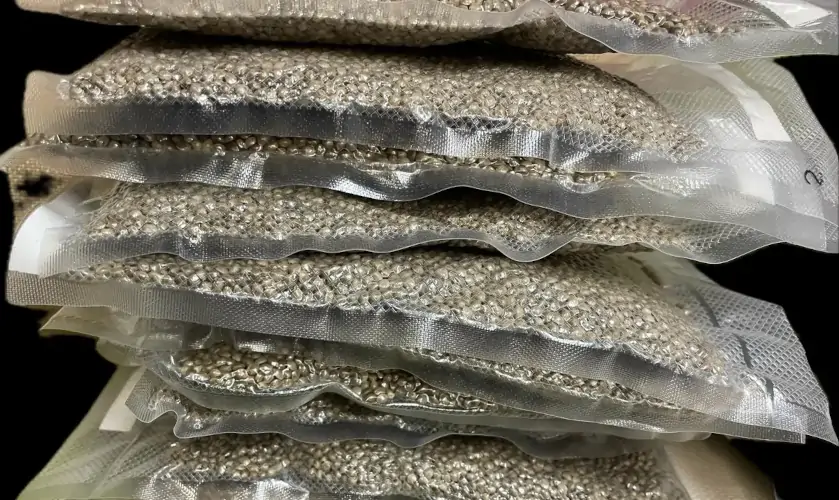
The cannabis industry is full of variables: environmental swings, pest pressure, regulatory changes, market fluctuations. The one variable you can control is the genetic foundation of your crop. Investing time and money into sourcing high-quality commercial cannabis seeds from a reputable supplier is not an expense. It is an insurance policy against the chaos that comes with scaling up. Whether you are growing indoors, in a greenhouse, or in a mixed-light facility, the principles are the same. Start with stable genetics, verify the germination rates yourself, and build a relationship with a wholesale seed bank that understands commercial production.
Do not let the lure of low prices or exotic names pull you away from the fundamentals. The growers who last in this business are the ones who respect the seed. Everything else follows from there.